Featured
Discovering Balance With Repaired and Variable Rate Options
How to Safely Consolidate Debt Utilizing Home Mortgage Eq...
How to Safely Consolidate Debt Utilizing Home Mortgage Equity
Table of Contents
Handling Interest Expenses in High-Cost Local Markets During 2026
The financial climate of 2026 presents specific hurdles for families trying to stabilize month-to-month spending plans against relentless rate of interest. While inflation has stabilized in some sectors, the expense of carrying consumer debt stays a significant drain on personal wealth. Lots of locals in the surrounding community discover that standard methods of financial obligation payment are no longer sufficient to stay up to date with compounding interest. Effectively browsing this year requires a tactical concentrate on the total expense of loaning rather than simply the regular monthly payment quantity.
Among the most regular errors made by customers is relying solely on minimum payments. In 2026, charge card interest rates have actually reached levels where a minimum payment barely covers the monthly interest accrual, leaving the primary balance virtually unblemished. This develops a cycle where the financial obligation continues for decades. Moving the focus towards minimizing the annual portion rate (APR) is the most reliable method to shorten the repayment period. People looking for Debt Management frequently find that financial obligation management programs offer the required structure to break this cycle by working out directly with lenders for lower rates.
The Threat of High-Interest Consolidation Loans in the Regional Market
As financial obligation levels increase, 2026 has seen a surge in predatory lending masquerading as relief. High-interest combination loans are a typical risk. These items guarantee a single monthly payment, but the hidden interest rate might be greater than the typical rate of the initial financial obligations. If a customer utilizes a loan to pay off credit cards however does not deal with the underlying spending habits, they frequently end up with a large loan balance plus brand-new credit card debt within a year.
Not-for-profit credit therapy offers a various course. Organizations like APFSC offer a financial obligation management program that combines payments without the requirement for a new high-interest loan. By working through a 501(c)(3) nonprofit, individuals can take advantage of developed relationships with national creditors. These partnerships enable the company to negotiate substantial rate of interest reductions. Nonprofit Debt Consolidation Services provides a course toward monetary stability by making sure every dollar paid goes even more towards decreasing the real financial obligation balance.
Geographic Resources and Community Support in the United States
Financial healing is often more successful when localized resources are included. In 2026, the network of independent affiliates and neighborhood groups across various states has actually ended up being a foundation for education. These groups provide more than just financial obligation relief; they use monetary literacy that helps avoid future debt accumulation. Due to the fact that APFSC is a Department of Justice-approved company, the therapy supplied satisfies strict federal standards for quality and openness.
Housing stays another considerable aspect in the 2026 financial obligation formula. High mortgage rates and increasing leas in urban centers have pressed many to utilize credit cards for fundamental necessities. Accessing HUD-approved real estate counseling through a nonprofit can help residents manage their real estate costs while at the same time dealing with consumer financial obligation. Families typically search for Nonprofit Debt Consolidation in Colorado Springs to acquire a clearer understanding of how their rent or home mortgage engages with their general debt-to-income ratio.
Preventing Common Errors in 2026 Credit Management
Another pitfall to avoid this year is the temptation to stop interacting with lenders. When payments are missed out on, rates of interest often surge to charge levels, which can go beyond 30 percent in 2026. This makes an already hard scenario nearly difficult. Professional credit therapy functions as an intermediary, opening lines of communication that a private might find intimidating. This procedure helps protect credit history from the serious damage triggered by total default or late payments.
Education is the best defense versus the rising expenses of financial obligation. The following methods are necessary for 2026:
- Examining all charge card statements to recognize the existing APR on each account.
- Focusing on the payment of accounts with the highest rates of interest, frequently called the avalanche approach.
- Looking for not-for-profit support instead of for-profit financial obligation settlement companies that may charge high fees.
- Using pre-bankruptcy therapy as a diagnostic tool even if insolvency is not the designated goal.
Nonprofit firms are required to act in the very best interest of the customer. This consists of providing free preliminary credit therapy sessions where a qualified counselor examines the person's whole financial image. In local municipalities, these sessions are often the initial step in determining whether a financial obligation management program or a various monetary technique is the most suitable choice. By 2026, the intricacy of monetary items has made this professional oversight more essential than ever.
Long-Term Stability Through Financial Literacy
Reducing the total interest paid is not almost the numbers on a screen; it has to do with recovering future earnings. Every dollar saved money on interest in 2026 is a dollar that can be rerouted toward emergency situation cost savings or retirement accounts. The debt management programs supplied by firms like APFSC are created to be temporary interventions that cause long-term changes in financial behavior. Through co-branded partner programs and local financial organizations, these services reach diverse neighborhoods in every corner of the country.
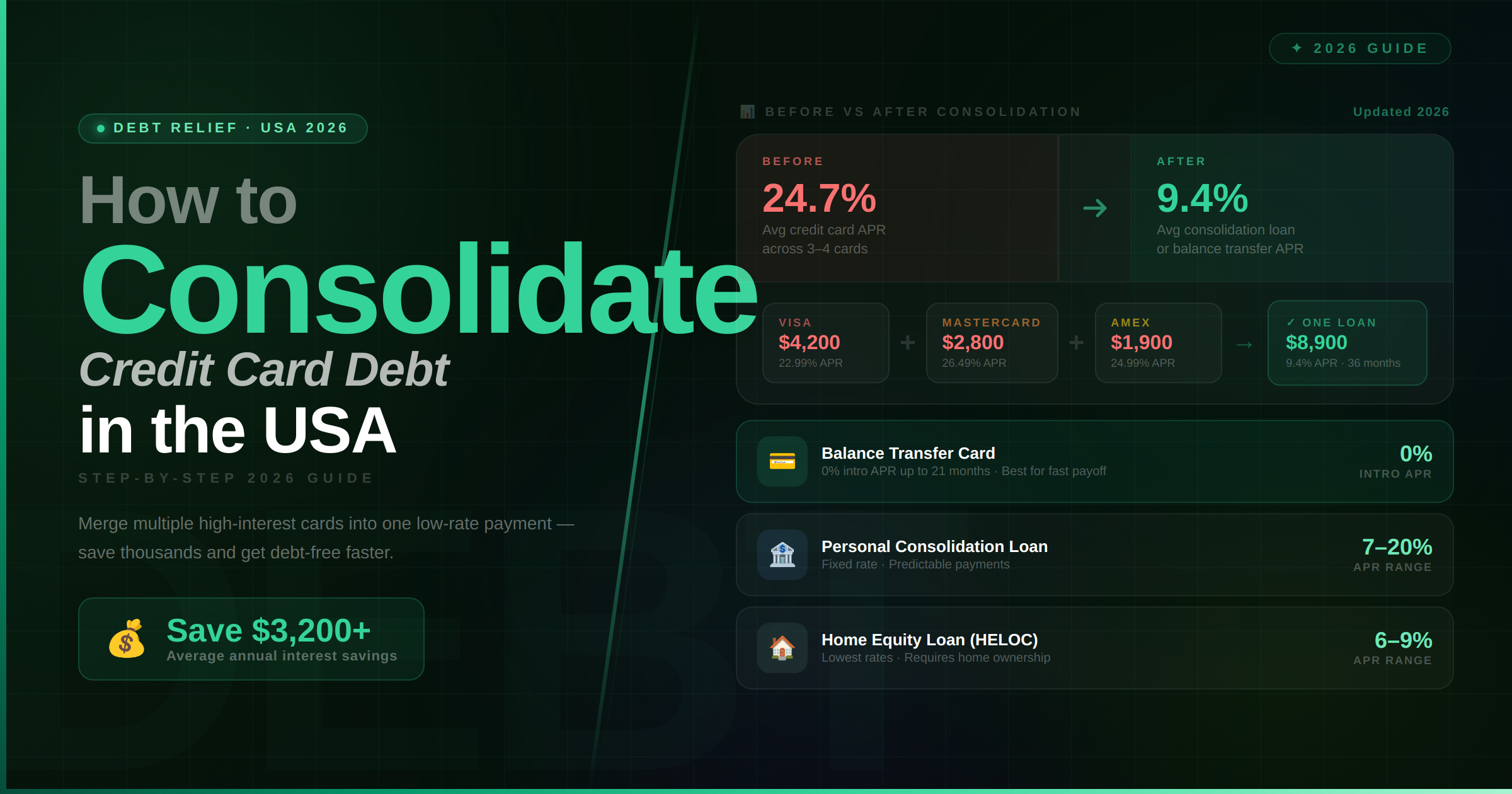
The goal of handling financial obligation in 2026 needs to be the total removal of high-interest customer liabilities. While the procedure requires discipline and a structured strategy, the results are measurable. Reducing rates of interest from 25 percent to under 10 percent through a negotiated program can save a family countless dollars over a few short years. Preventing the risks of minimum payments and high-fee loans permits citizens in any region to move toward a more safe and secure monetary future without the weight of unmanageable interest expenses.
By focusing on verified, not-for-profit resources, consumers can browse the economic obstacles of 2026 with self-confidence. Whether through pre-discharge debtor education or basic credit counseling, the goal stays the exact same: a sustainable and debt-free life. Taking action early in the year makes sure that interest charges do not continue to substance, making the ultimate objective of financial obligation flexibility much easier to reach.

Table of Contents
Latest Posts
How to Roll Over Your Debt Effectively in 2026

Discovering Balance With Repaired and Variable Rate Options
How to Safely Consolidate Debt Utilizing Home Mortgage Equity
More
Latest Posts
How to Roll Over Your Debt Effectively in 2026
Discovering Balance With Repaired and Variable Rate Options
How to Safely Consolidate Debt Utilizing Home Mortgage Equity